Straight answers about electrolysis, laser, PCOS hair growth, waxing, and aftercare, written by the licensed technicians who do the treatments every day.
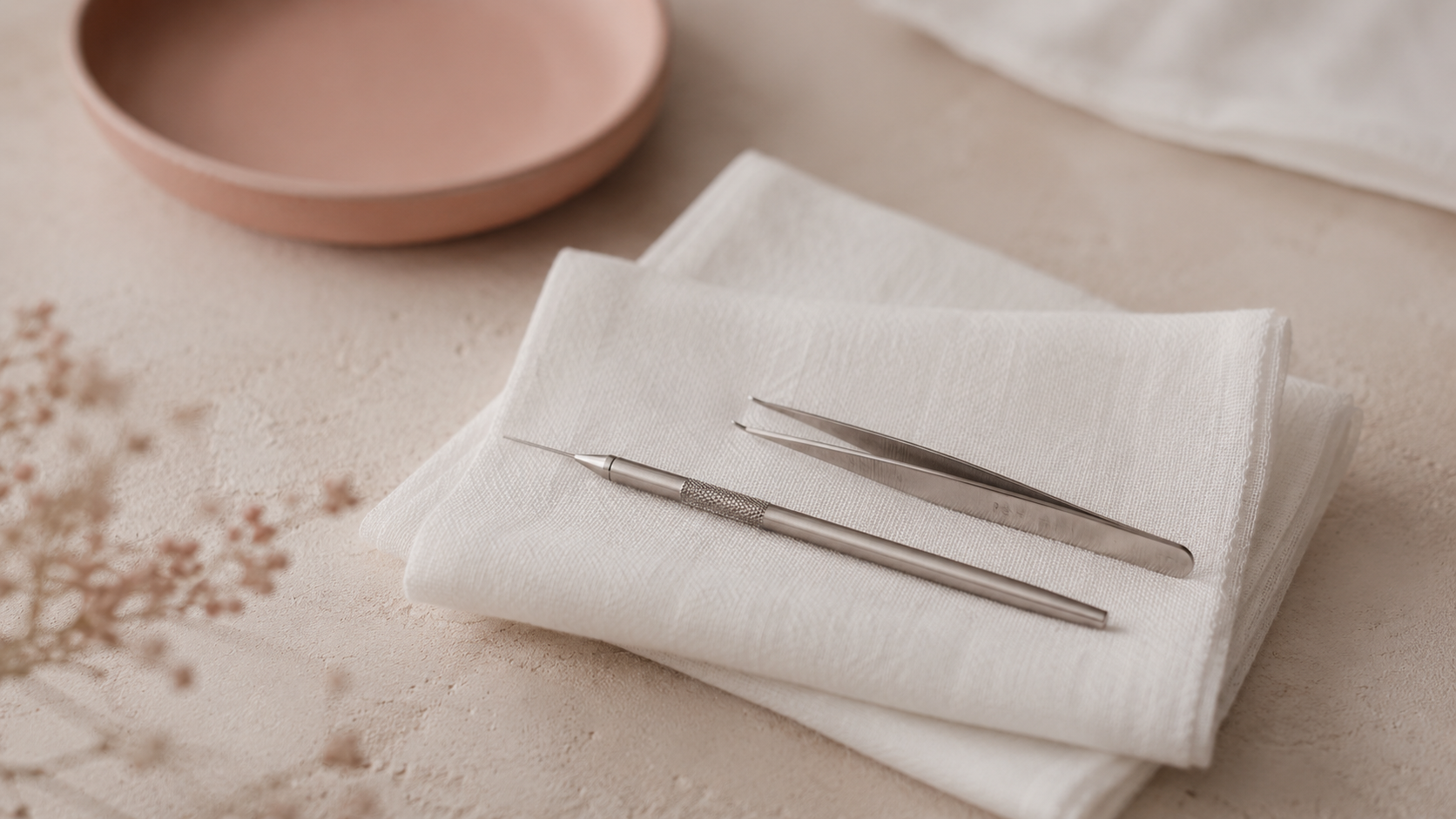
Electrolysis is the only FDA-approved permanent hair removal method. Learn how it works, what to expect, and why it works on every hair and skin type.
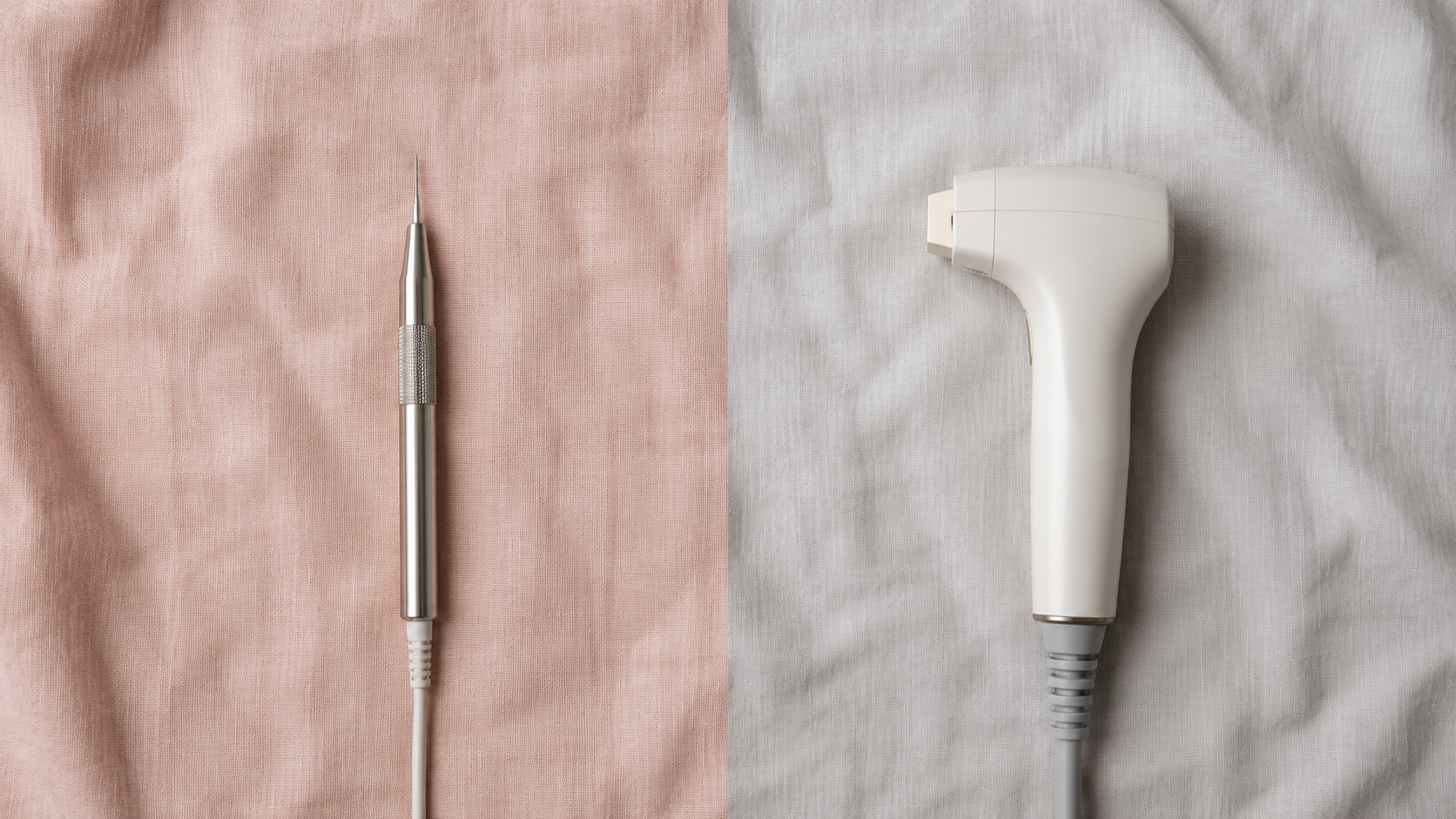
Electrolysis is permanent; laser is fast. Compare cost, timeline, hair color, skin tone, and pain to find out which hair removal method fits you.
Does laser or electrolysis work with PCOS? Yes, but hormones mean more sessions. Here's what to realistically expect and how to plan for it.
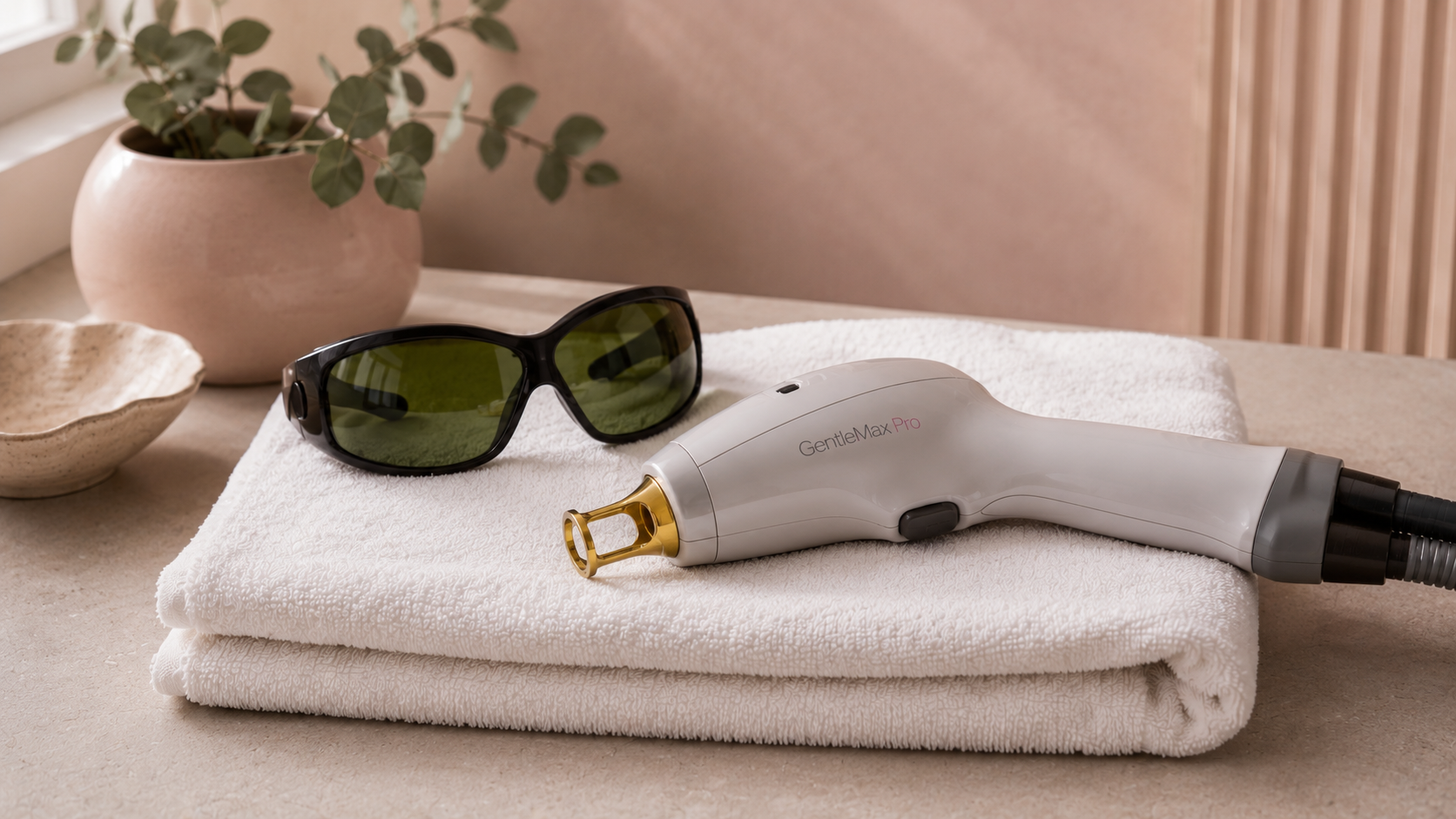
Does laser hair removal expose you to radiation? Can it damage your organs? A clear look at what laser actually does, and what it can't do.
Laser is safe for all skin tones with the right wavelength. Learn why Nd:YAG matters for darker skin, and how to avoid burns and hyperpigmentation.
Most people need 6–8 laser sessions, spaced 4, then 6, then 8 weeks apart, plus maintenance. Here's the full schedule and why timing matters.
Electrolysis takes 1–2 years for permanent results, but only if you come in as soon as hairs grow back. Here's how to build the right schedule.
Electrolysis aftercare is simple: keep the area clean, avoid heavy oils, apply aloe vera. Here's exactly what to do before and after your session.
Shave one day before, arrive with clean skin, skip tanning, and avoid heat afterward. The complete before-and-after guide for laser hair removal.
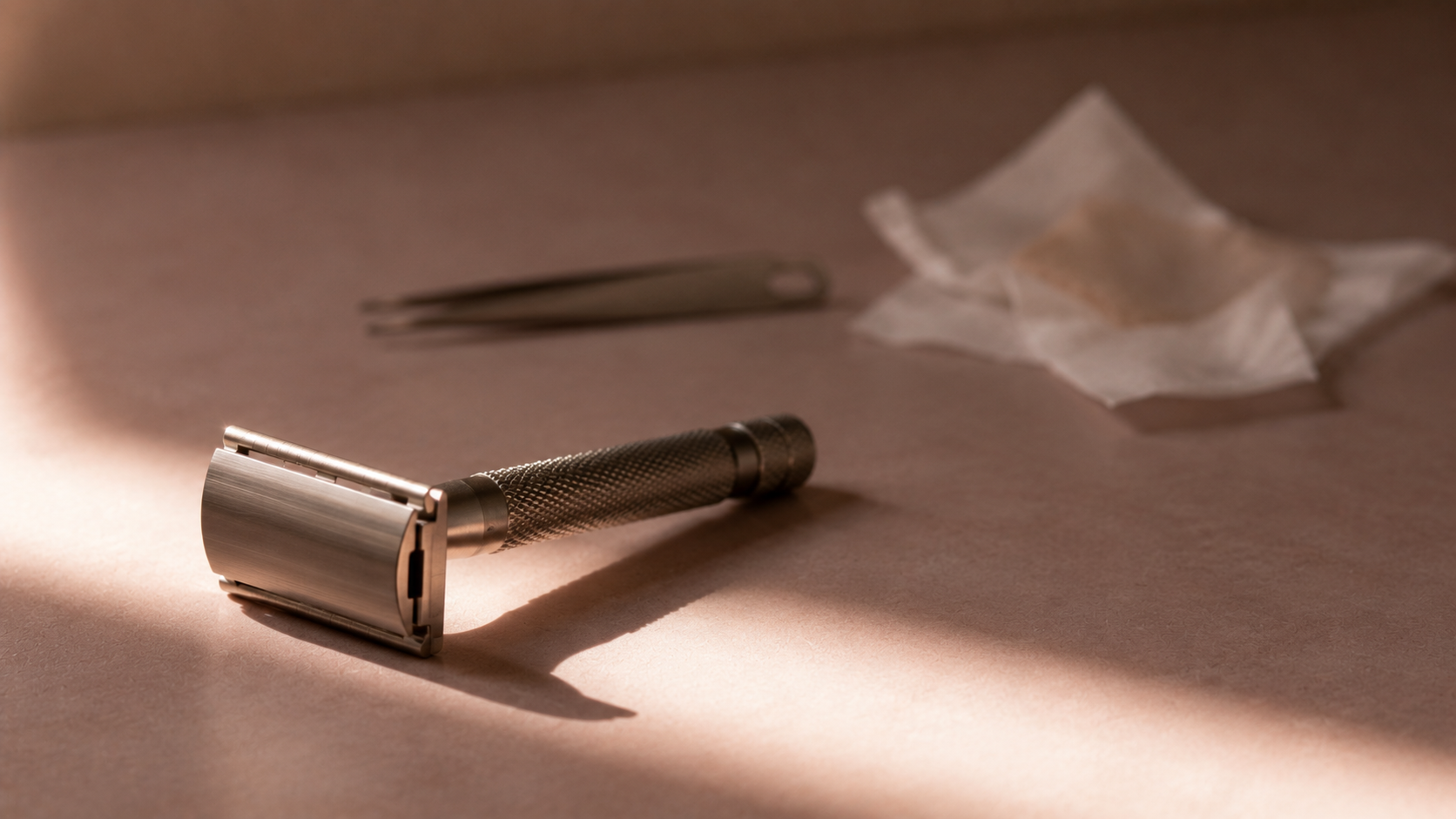
Shaving is fine between laser and electrolysis sessions. Waxing, tweezing, plucking, and sugaring are not. Here's exactly why the difference matters.
Does electrolysis scar, cause wrinkles, or hurt? Is it safe while pregnant? Straight answers to the safety questions clients ask most.
Laser clears 90% fast; electrolysis finishes the rest permanently. Learn how combining both saves time and money, and the one mistake to avoid.
Ask us anything at your free consultation: call 718-360-2902 or book online in under a minute.